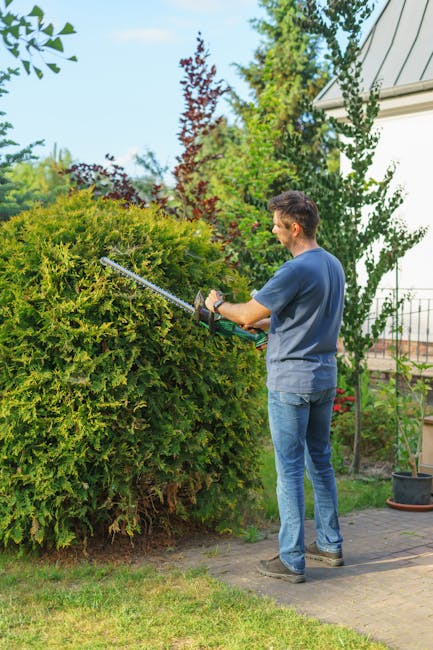
Quick hedge trimming Albany Park Sidcup professional gardeners
If your hedge has gone from tidy boundary to slightly wild green wall, you are not alone. In Albany Park and across Sidcup, hedges grow fast, weather shifts quickly, and the difference between "looks fine" and "needs attention now" can be one damp week. Quick hedge trimming Albany Park Sidcup professional gardeners is really about restoring shape, keeping growth under control, and doing it with the sort of care that avoids patchy cuts, stress to the plant, and unnecessary mess on your path or drive.
This guide explains what a fast hedge trim involves, when it makes sense to book one, how professionals work, and what to expect from a good service. You'll also find practical tips, a simple checklist, and a few local considerations that matter in real life - because trimming a hedge in a busy suburban garden is not quite the same as giving a few shrubs a tidy-up on a sunny Saturday morning.
Why Quick hedge trimming Albany Park Sidcup professional gardeners Matters
A hedge is more than a green border. It shapes how your whole garden feels. It frames the front of a house, softens fences, gives privacy, and can make a small outdoor space feel calm rather than cramped. But once a hedge starts to run away, it can cast too much shade, crowd paths, and make the garden look tired even if everything else is well kept.
That is why quick hedge trimming matters. Not rushed, sloppy work - quick in the sense of efficient, planned, and done before the hedge becomes a bigger job. Professional gardeners know how to cut back growth without hacking the plant or leaving it thin and uneven. To be fair, that balance is where the real skill lies.
In an area like Sidcup, where many gardens sit close to pavements, driveways, and neighbouring boundaries, a neat hedge also has a practical role. It keeps access clear, helps maintain sightlines, and reduces the chance of branches becoming a nuisance. If you want a fuller garden maintenance picture, it often sits alongside regular garden maintenance and seasonal upkeep, especially when several jobs have built up at once.
A well-trimmed hedge does a quiet job in the background. You notice it most when it is neglected - and again when it is finally back in shape.
There is also a timing element. Leave hedges too long and trimming becomes more disruptive. Leaves are denser, clippings are heavier, and the shape takes longer to recover. Keep on top of it, and the work is cleaner, faster, and usually less stressful for the hedge itself.
How Quick hedge trimming Albany Park Sidcup professional gardeners Works
Professional hedge trimming is a mix of assessment, technique, and tidying. The gardener starts by checking the hedge type, its current condition, and how hard it can be cut back without damaging growth. A formal box hedge needs a different approach from a softer mixed hedge or a tall privacy screen. That sounds obvious, but you would be surprised how often hedges are treated as if they all behave the same. They don't.
A quick trim service usually follows a simple flow:
- Inspect the hedge for shape, overgrowth, dead patches, birds, pests, or awkward access.
- Discuss the desired finish: formal, light tidy, height reduction, or full reshaping.
- Use the right tools for the hedge size and density, from hand shears to powered trimmers.
- Cut evenly, checking lines from different angles so the hedge does not look lopsided.
- Remove clippings, sweep hard surfaces, and leave the area usable again.
The "quick" part comes from experience. A professional will usually work faster because they know where to start, how to avoid rework, and how to manage the clean-up properly. The job can feel over in a flash, but only if the preparation is done well.
For properties with larger gardens or multiple shrubs, hedge work often goes hand in hand with broader care. Many homeowners in the area combine it with landscaping support or a more general tidy-up, especially before selling, letting, or hosting family in the garden. And yes, that usually makes sense. One tidy job tends to reveal the next.
What a good finish looks like
A proper result is even, clean, and in proportion to the garden. The hedge should still look like itself, just controlled. No scalloped edges, no random deep cuts, no sagging middle. If the hedge is meant to guide the eye along a boundary, it should do that smoothly.
There is a small but important detail here: a good hedge trim should allow light to reach the lower growth where possible. If the top is left too wide, the bottom often struggles. That is one reason professional gardeners keep the top slightly narrower than the base on many hedge types. It helps the hedge stay healthy and dense rather than becoming leggy.
Key Benefits and Practical Advantages
Quick hedge trimming offers more than a cosmetic lift. The biggest benefits are practical, and they show up day after day once the job is done.
- Better kerb appeal: A neat hedge makes the whole property look looked after. That matters whether you are staying put or preparing to sell.
- Improved light and space: Cutting back overgrowth can brighten a path, patio, or front window.
- Safer access: Clearer walkways and drive edges reduce scrapes, trip hazards, and awkward squeezing past branches.
- Healthier growth: Sensible trimming helps prevent dense, woody outer growth and supports a fuller shape.
- Less ongoing nuisance: A hedge that is maintained regularly is much less likely to become a recurring headache.
There is also the time-saving advantage. If you try to do a heavy hedge yourself after letting it run on, the job can stretch from "quick morning task" to "why am I still here with a rake at 4pm?" A professional gardener brings the right equipment and a steadier pace, which usually means fewer interruptions and better results.
And let's face it, few people actually enjoy wrestling with a long hedge in unpredictable British weather. A quick, clean service can feel like a relief more than a luxury.
Who This Is For and When It Makes Sense
This service suits homeowners, landlords, tenants, busy families, and anyone who wants a tidy boundary without turning the weekend into a full-scale garden project. It is especially useful if you have:
- an overgrown front hedge that is starting to block light or views
- a side boundary hedge that leans into a shared path
- formal hedging that needs clean lines rather than a rough cut
- a garden that needs a pre-event refresh or seasonal reset
- limited time, limited tools, or simply no appetite for climbing ladders with hedge shears
It also makes sense after a period of wet, fast-growing weather. In south-east London gardens, growth can get out of hand quickly, especially when a hedge has had a good feeding of rain and a few mild days. One week it looks manageable, then suddenly it is brushing the fence, the gate, and the neighbour's patience.
If you are already thinking about a broader tidy-up, it can be wise to coordinate hedge trimming with other work such as tree care or general pruning. That way the garden feels finished rather than half-done. Small difference, big impact.
When it is better to wait
There are times to pause rather than cut immediately. If birds are nesting, if the hedge is visibly stressed, or if it has just been heavily reduced recently, a careful gardener may advise a lighter touch or a short delay. Good gardeners do not just cut because they can. They think ahead a bit. That matters.
Step-by-Step Guidance
If you are booking or managing hedge trimming for the first time, it helps to know what a sensible process looks like. Not every job needs a dramatic overhaul. Often, the best work is methodical and calm.
1. Assess the hedge properly
Start with the basics: height, width, density, species, and access. A hedge beside a narrow side passage is a different job from one with open front-garden access. Note whether there are power lines, fences, ornaments, pots, or delicate planting nearby. The more you know up front, the smoother the job.
2. Decide on the finish
Do you want a sharp formal line, a natural but neater shape, or a reduction in size? Be specific. "Just tidy it up" can mean very different things to different people, and that is where disappointment starts. A quick photo from another angle can help everyone agree on the target.
3. Prepare the area
Move furniture, plant pots, toys, and anything breakable away from the hedge. If access is through the house or down a shared side path, clear the route. It sounds small, but it saves time and avoids accidents. The garden should feel ready before the first cut is made.
4. Trim with the hedge type in mind
Use the right technique for the plant. Dense evergreen hedges often need an even surface finish, while mixed hedges may need selective cuts to keep structure and flowering potential. A light first pass is often better than diving in too deep on the first go.
5. Step back and check alignment
Professional gardeners do this constantly. They trim, step back, check, trim again. That pause is not wasted time. It is what prevents one side from ending up slightly more confident than the other, if you know what I mean.
6. Clear clippings thoroughly
Clippings can block drains, stain paving, and make lawns look messy for days if left behind. Good clean-up matters almost as much as the cut itself. A finished hedge with debris underneath still feels unfinished.
7. Review the next visit
A quick hedge trim is often part of an ongoing maintenance rhythm. Once the hedge is back under control, ask how often it should be revisited. Some hedges need several light trims through the season; others do better with less frequent attention.
Expert Tips for Better Results
The best hedge work usually looks simple because the tricky choices were made before anyone started cutting. Here are some practical tips that make a real difference.
- Trim wider at the base only when the hedge type suits it: A slightly tapered shape can help lower growth receive light.
- Do not chase perfection in one pass: Small corrections are safer than overcutting.
- Keep a seasonal rhythm: Light, regular trims are often easier on the plant than long gaps followed by a severe cut.
- Watch the weather: Wet leaves and windy conditions make clean finishing harder and can make the whole job feel clumsy.
- Use the hedge's natural line: A hedge should look intentional, not forced into a shape it never wanted.
A useful rule of thumb: the more formal the hedge, the more precision it needs. If you want a sharp boundary that looks crisp from the street, a little extra time spent on line and symmetry is worth it. If you want a softer garden screen, chasing machine-perfect edges can actually make it look less natural.
Another quiet truth - the best hedge care often looks boring from a distance. But boring in the best possible way. Neat, even, dependable. That is usually what people really want.
If you are planning a wider garden refresh, it may also help to coordinate hedge work with lawn mowing so the whole space feels balanced rather than just one side looking smart while the rest is shaggy. Simple, but effective.
Common Mistakes to Avoid
Hedge trimming goes wrong most often when people rush, overcut, or treat every hedge as if it behaves identically. A few common mistakes show up again and again.
- Cutting too hard in one go: Heavy reduction can leave a hedge thin, stressed, or uneven.
- Ignoring the hedge species: Some hedges recover well from clipping; others need a gentler hand.
- Forgetting the clean-up: Loose clippings are annoying and can damage lawns or drains.
- Working with blunt tools: Blunt blades tear growth rather than cutting it cleanly.
- Chopping without checking the line: The eye catches unevenness very quickly, especially on long boundaries.
- Leaving the hedge too wide at the top: That can shade lower sections and thin them out over time.
One slightly awkward but common issue is trying to do the whole thing late in the day because "it'll only take an hour." Then the light drops, the hedge looks different in fading shade, and the job takes on a life of its own. We have all been there. Better to start earlier or leave it to someone with the pace and kit to finish properly.
Tools, Resources and Recommendations
Professional hedge trimming relies on the right tools, but tools alone do not make good work. Experience matters too. Even so, it helps to know what should be involved.
| Tool or Resource | Typical Use | Why It Matters |
|---|---|---|
| Hand shears | Fine shaping and detailed finishing | Good for neater edges and small corrections |
| Powered hedge trimmer | Faster trimming of larger hedges | Saves time on dense or long sections |
| Sturdy gloves and eye protection | Personal safety | Helps protect against debris and scratches |
| Ladder or platform | Reaching taller sections safely | Better balance and control than awkward stretching |
| Waste bags or collection method | Clipping removal and tidy finish | Leaves the garden usable straight away |
For homeowners, the most practical recommendation is simple: do not buy bigger equipment than you are comfortable using safely. A lightweight trimmer is fine for small jobs, but tall hedges and awkward boundaries are often best left to professionals. There is no prize for being heroic with a wobbly ladder and a machine you barely trust.
It can also help to keep a few simple records: when the hedge was trimmed, how hard it was cut, and whether any areas need special attention next time. That tiny bit of memory saves you from repeating mistakes six months later and wondering why one side is always a bit sparse.
Law, Compliance, Standards, or Best Practice
Hedge trimming in the UK is usually straightforward, but there are a few practical and legal points worth respecting. This is where a careful gardener shows judgement rather than just speed.
First, nesting birds can be a real concern during the breeding season. If a hedge is active with nesting birds, trimming should be delayed or done with great care. In practice, that means inspecting before work begins and being willing to stop if there is obvious nesting activity. It is common sense, but still worth saying.
Second, if a hedge sits on a boundary, ownership and responsibility can matter. You do not want to reduce a neighbour's side of the hedge without agreement, even if it looks tempting from your garden. That sort of thing can get fiddly very quickly. Better to talk first.
Third, if cutting involves tall hedges, access equipment, or power tools near public areas, safe working practice matters. Professionals should use suitable equipment, work carefully around surfaces and obstacles, and avoid leaving debris where it could cause slipping or obstruction. The details vary, but the principle is simple: safe, controlled, tidy.
For anyone arranging regular garden work, a good yardstick is whether the gardener explains the process clearly and does not overpromise. Reliable local teams usually give practical advice about timing, recovery, and whether a hedge needs a light trim or a staged reduction. That kind of honesty is worth more than a flashy promise.
Options, Methods, or Comparison Table
Not every hedge needs the same treatment. Choosing the right method depends on the hedge type, current condition, and how quickly you want it back under control.
| Method | Best For | Pros | Trade-Offs |
|---|---|---|---|
| Light tidy trim | Hedges already close to shape | Fast, neat, low stress on the plant | Won't fix major overgrowth |
| Seasonal maintenance trim | Established hedges with regular upkeep | Keeps growth manageable and even | Needs consistency through the year |
| Reduction trim | Hedges that have become too tall or wide | Restores usable space and light | May need staged work if the hedge is very overgrown |
| Formal shaping | Boxy, decorative, or front-facing hedges | Crisp lines and strong kerb appeal | Needs accuracy and more frequent upkeep |
If you are unsure which method fits, the safest answer is usually the least dramatic one first. A professional can advise whether the hedge can take a more substantial cut now or whether it should be reduced gradually. That distinction matters more than most people realise.
Case Study or Real-World Example
A typical local scenario goes like this. A front hedge in Albany Park has been left untouched since spring. By late summer, it is spilling over the pavement edge, shading the front window, and making the path feel narrower than it should. The homeowner wants it sorted quickly before visitors arrive for a weekend gathering.
A professional gardener visits, checks the hedge line, clears access, and trims the front and top evenly. The work takes shape in stages rather than one aggressive cut. The clippings are removed, the pavement is swept, and the hedge is left looking tidy but still natural. Not perfect in a showroom sense - just properly done, which is usually what people really want.
The result is simple but noticeable: more light to the front room, a cleaner boundary, and less worry about the hedge creeping over the walkway again. A few weeks later, the homeowner decides to book regular maintenance rather than waiting for the hedge to get wild again. That is often how it goes. One solved problem reveals the easier long-term habit.
For gardens with broader seasonal needs, this sort of job can sit alongside planting and garden refresh work so the whole outside space feels intentional rather than pieced together.
Practical Checklist
Use this checklist before booking or starting hedge trimming. It keeps the job focused and avoids the usual headaches.
- Identify the hedge type and whether it is formal or informal.
- Check whether the hedge is on your boundary, shared boundary, or close to a neighbour's side.
- Look for nesting birds or signs of active wildlife.
- Decide what you want: light tidy, shape correction, or size reduction.
- Clear access to the hedge and move fragile items away.
- Ask how waste will be removed and whether the area will be swept clean.
- Discuss whether the work can be done in one visit or should be phased.
- Confirm the finish you want from street level as well as garden level.
- Plan the next maintenance visit while the hedge is still easy to manage.
If you can tick those off, you are already ahead of most rushed hedge jobs. Simple, but effective.
Conclusion
Quick hedge trimming Albany Park Sidcup professional gardeners is really about getting a fast, reliable result without cutting corners in the wrong places. The right service restores shape, improves the look of the garden, and keeps the hedge healthy enough to respond well over time. It also saves you the hassle of climbing, straining, tidying clippings, and trying to judge straight lines at arm's length.
Whether your hedge needs a light tidy, a proper reshaping, or a sensible maintenance rhythm going forward, a thoughtful local gardener can make the job straightforward. And when the boundary looks neat again, the whole garden tends to breathe a little easier. Funny how that happens.
If your hedge has started to edge into "must do something soon" territory, the best time to act is before it becomes a bigger, messier job. A tidy hedge is one of those small wins that quietly improves everything else around it.
Get a free quote today and see how much you can save.
Frequently Asked Questions
How often should a hedge be trimmed in Sidcup?
It depends on the hedge type and how formal you want it to look. Many hedges benefit from at least one or two trims a year, while formal hedges may need more frequent attention to keep clean lines.
Can a hedge be trimmed quickly without damaging it?
Yes, if the work is done with the hedge's growth pattern in mind. Quick does not mean rough. A good gardener trims efficiently, checks the shape as they go, and avoids removing too much at once.
What is the best time of year for hedge trimming?
That depends on the species and the hedge's condition. Many hedges are trimmed during the growing season, but nesting birds and plant stress should always be considered before work begins.
How do I know if my hedge needs a light trim or a reduction?
If it is only slightly untidy, a light trim may be enough. If it has started blocking light, overhanging paths, or becoming difficult to manage, a reduction trim may be more appropriate.
Will trimming make my hedge thinner?
Not if it is done carefully. In fact, sensible trimming usually supports denser growth over time. Overcutting, however, can leave it sparse for a while, so the technique really matters.
Do I need to be home during the hedge trimming?
Not always, but it can help if access, boundaries, or finish details need to be discussed. Many homeowners prefer to be there for the first visit so expectations are clear.
Can hedge trimming be combined with other garden work?
Yes, and that is often the most efficient option. Hedge trimming can be combined with lawn care, pruning, border tidying, or broader garden maintenance so the whole space feels finished at once.
What should I do before the gardeners arrive?
Clear access, move delicate items, and decide what result you want. A few minutes of preparation can save a lot of back-and-forth later on. It really does help.
Is it okay to trim a hedge near a neighbour's property?
It can be, but boundary ownership and shared responsibility should be respected. If the hedge is on or near a shared line, it is sensible to agree on the work first.
How much mess should I expect from hedge trimming?
There will always be clippings, especially with a dense hedge, but a professional service should include a proper tidy-up. The area should be left swept and usable, not dotted with green confetti everywhere.
What if the hedge has birds nesting in it?
If nesting birds are present, trimming should usually be delayed or approached very carefully. A responsible gardener will inspect first and avoid disturbing active nests.
Why choose a professional gardener instead of doing it myself?
Professionals bring the right tools, a better eye for shape, and a safer approach to taller or denser hedges. For many people, the real benefit is not just the finish - it is the time and hassle saved.