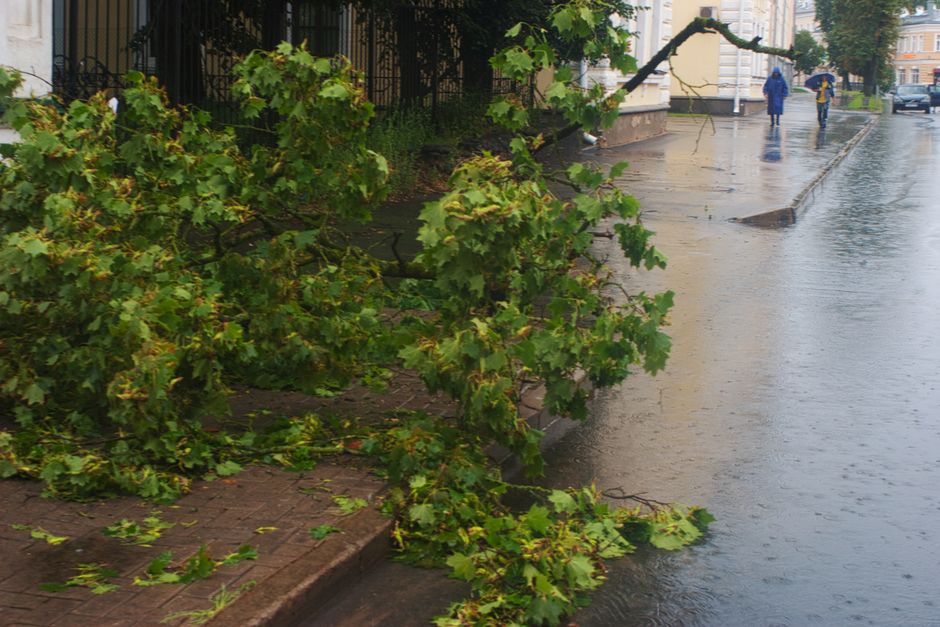
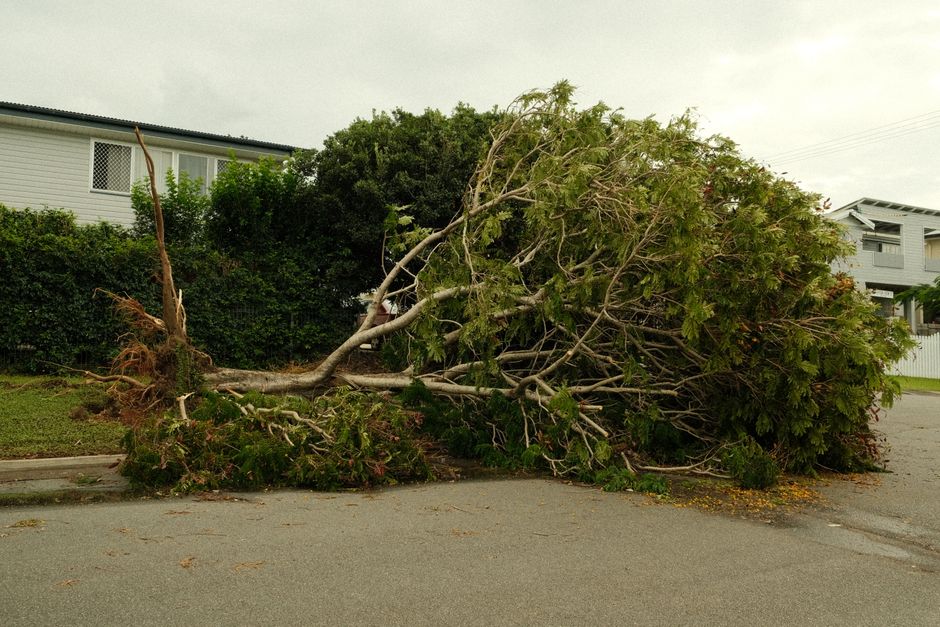
Same day emergency gardeners Sidcup fallen tree clearance: what to do when a tree comes down fast
When a tree falls across a path, leans onto a fence, or ends up tangled in a garden after a storm, you do not need a long explanation. You need a calm plan and, usually, help now. That is where Same day emergency gardeners Sidcup fallen tree clearance becomes relevant: fast, practical garden support to make the space safe, clear access, and deal with the mess before it turns into a bigger problem.
This guide explains how emergency clearance works, what a good response looks like, who it is for, and the mistakes people make when they try to sort it themselves. If you are dealing with a fallen tree in Sidcup, or you are simply trying to understand the process before you call, you will find the essentials here without the fluff. Truth be told, in a situation like this, clarity matters more than anything.
Table of Contents
- Why same day emergency tree clearance matters
- How emergency fallen tree clearance works
- Key benefits and practical advantages
- Who this is for and when it makes sense
- Step-by-step guidance
- Expert tips for better results
- Common mistakes to avoid
- Tools, resources and recommendations
- Law, compliance, standards, or best practice
- Options, methods, and comparison table
- Case study or real-world example
- Practical checklist
- Conclusion
- Frequently asked questions
Why Same day emergency gardeners Sidcup fallen tree clearance Matters
A fallen tree is not just untidy. It can block gates, crush planting beds, damage patios, strain fences, and hide hazards like broken branches, splintered timber, or uneven ground. Even when the tree looks still and harmless, the real issue is often what you cannot see underneath: tension in branches, unstable trunks, trip hazards, and debris that shifts when walked on.
In a suburban garden, these problems become awkward quickly. One minute the tree is simply lying there after a windy night; next minute you are unable to get bins out, the side passage is blocked, and the neighbour is asking whether it is going to fall further. Not ideal. Emergency clearance matters because it reduces the risk window, restores access, and prevents a small incident from turning into a much more expensive repair job.
It also helps emotionally, which sounds a bit grand until you are looking at a half-collapsed tree on a wet Tuesday morning. The space feels unsafe and unfinished. Fast response gives you back control.
Where appropriate, a garden team may also coordinate follow-up work such as tree lopping and removal, garden clearance, or even wider tidying through garden maintenance if the site needs more than one visit.
How Same day emergency gardeners Sidcup fallen tree clearance Works
The process is usually simpler than people expect. A good emergency service will focus on safety first, then access, then removal. That order matters. If a tree is leaning on a structure or tangled with overhead obstacles, the wrong move can make the whole situation worse. No one wants a DIY hero moment that ends with a bent fence and a scraped hand.
Typical emergency clearance flow
- Initial contact and description - You explain what has happened, where the tree is, and whether anything is damaged or blocked.
- Safety triage - The team decides whether it is safe to attend the same day and whether any immediate precautions are needed.
- Site arrival and assessment - A quick on-site check confirms the safest way to cut, lift, move, or dismantle the tree.
- Controlled clearance - The tree is sectioned, removed, and the main obstruction is cleared first.
- Green waste handling - Branches, logs, and debris are gathered for responsible disposal or recycling where possible.
- Final tidy and handover - Access is restored, and any remaining risks are pointed out clearly.
In many cases, a fallen tree is not treated as one single job. It is a sequence of smaller decisions. Can the trunk be moved safely? Is there weight resting on a fence panel? Is the ground slippery? Are there hidden nails, old supports, or nearby roots? Those details sound small, but they shape the whole job.
If the fall has affected more of the garden than expected, it may make sense to combine clearance with services overview planning for longer-term recovery, or with landscaping if the area needs rebuilding afterwards.
Key Benefits and Practical Advantages
The obvious benefit is speed. The less obvious one is reducing knock-on damage. The longer a fallen tree sits in place, the greater the chance of secondary issues: staining on paving, broken timber worsening, plant beds being flattened, or parts of the tree shifting after rain and wind.
- Fast restoration of access - You can use gates, paths, and side entrances again.
- Reduced safety risk - Broken branches and unstable sections are removed promptly.
- Less property damage - Quick action may limit pressure on fences, sheds, decking, or nearby plants.
- Cleaner recovery - Debris is handled in a structured way instead of spread around the garden.
- Better next-step planning - You can decide whether replacement planting, pruning, or full reworking is needed.
There is also a practical comfort factor. A professional clearance can feel like the moment a messy event stops being a crisis and becomes a job with a finish line. That matters more than people admit.
For homeowners who care about how the garden looks after the emergency, the next phase may involve landscape gardening, targeted hedge work through hedge trimming, or a broader reset with lawn mowing once the ground has recovered.
Who This Is For and When It Makes Sense
This kind of service is for anyone dealing with a tree or large branch that has come down and created an immediate issue. The scenarios vary more than you might think.
- Homeowners with a fallen tree blocking a driveway or side path
- Landlords needing the garden made safe before tenants return
- Property managers handling storm damage after high winds
- Older homeowners who should not be lifting, cutting, or shifting heavy wood
- People with damaged fences, sheds, or borders around the impact area
- Anyone worried that the tree may shift again if touched the wrong way
It makes sense when the job cannot wait for a normal tidy-up appointment. If the fallen tree is small, fully detached, and not causing any obstruction, then it may be handled as part of a routine clearance later. But if you are asking, "Should this wait?" that usually tells you the answer already. Probably not.
And yes, sometimes the pressure is social as much as practical. The neighbour sees the mess. The delivery person cannot get through. The bins are trapped. The garden becomes the one thing everyone notices. Fast clearance takes that awkwardness off the table.
Step-by-Step Guidance
If you are dealing with the situation right now, keep it simple. Do the next safe thing, not every thing at once.
1. Keep people away from the affected area
Do not let children, pets, or visitors wander near the fallen tree. Branches can spring back, roll, or shift. Even a still-looking trunk may move if the ground underneath is uneven.
2. Do not cut into stressed wood without experience
It is tempting to start sawing the most obvious branch first. That is where people get caught out. Tree timber under tension can twist or snap in unpredictable ways. If the tree is pinning something down, leave it alone until it is properly assessed.
3. Take a few clear photos
Before anything is moved, take pictures from a safe distance. This helps with explaining the layout, the damage, and any access issues. It also gives you a record of the original condition, which is useful if other repair work follows.
4. Check for obvious utility or structural concerns
If any part of the tree is close to overhead cables, a damaged boundary wall, or a leaning structure, mention that straight away. You do not need to diagnose the problem in detail, just describe it clearly.
5. Arrange the earliest safe attendance
Same day response is most valuable when timing matters: after a storm, before nightfall, before a school run, or before a delivery/access deadline. A good team will tell you if the site is safe to attend immediately or if it needs a brief delay for safety reasons.
6. Ask what happens to the waste
Tree waste adds up fast. A practical service should be able to explain whether branches, logs, and cuttings will be removed, recycled, or bundled with other garden waste. If recycling and sustainability matter to you, it is worth asking. Simple question, big difference.
7. Plan the follow-up
Once the tree is cleared, decide whether the area needs stump treatment, fence repair, replanting, or general cleanup. That is the part people forget. The emergency ends, but the garden still needs a bit of recovery.
Expert Tips for Better Results
Experienced garden crews tend to work in a calm, staged way. There is a reason for that. The job looks faster when the decisions are made early and the risks are reduced before any cutting starts.
- Describe the tree, not just the damage. Is it a whole tree, a large limb, or several broken sections? That detail affects the response.
- Mention access limitations. Narrow side access, locked gates, basement steps, and shared passages can slow things down if nobody knows in advance.
- Say whether the tree is resting on anything. A tree across grass is very different from one against a fence or shed.
- Keep the area visible. If possible, move small objects like planters or chairs out of the working zone before the team arrives, but only if you can do it safely.
- Ask for a clean handover. Not just "is the tree gone?" but "is it safe to walk here now?" That is the question that actually matters.
One small but useful tip: if there has been recent wind or rain, mention that too. Wet ground changes everything. A garden that looks straightforward at 9am can become muddy, slippery, and much harder to work in by lunchtime. You know how it goes.
If you are comparing support options, it may also help to look at the company's approach to insurance and safety and how they describe working practices in their health and safety policy. That does not replace a real conversation, obviously, but it gives you useful reassurance.
Common Mistakes to Avoid
A few mistakes come up again and again in emergency garden jobs. They are easy to make, especially when everyone is rushing.
- Trying to move the tree before understanding the tension points - This is the classic one.
- Calling it "just a branch" when it is actually load-bearing - The size of the visible mess is not always the real issue.
- Ignoring hidden damage - Fence posts, edging, paving, and roots can all be affected even if the tree looks superficial.
- Waiting too long because it seems calm now - Calm weather today does not mean the structure is stable.
- Not mentioning access problems - If the crew cannot get tools and waste out easily, the job slows down.
- Skipping the tidy-up stage - Leaving shredded bark and small debris behind can make the space slippery and messy.
There is also a mental mistake: assuming that if the tree has already fallen, the danger is over. In reality, the danger sometimes changes shape rather than disappearing. That is why proper clearance is about control, not just removal.
Tools, Resources and Recommendations
You do not need to own specialist equipment to handle an emergency tree problem, and you probably should not try. The right tools are usually in the hands of the team attending the job. Still, it helps to know what tends to be used and why.
| Tool or resource | What it helps with | Why it matters |
|---|---|---|
| Chainsaw or pruning saw | Sectioning branches and trunk sections | Used carefully to break the job into safer pieces |
| Ropes and manual handling gear | Controlling movement of heavier sections | Helps reduce sudden shifts |
| Gloves, helmets, eye protection | Personal safety | Protects against cuts, impact, and debris |
| Wheelbarrows or waste carriers | Moving debris out of the garden | Speeds up the tidy and keeps paths clear |
| Tarps or protective sheeting | Containment and cleanup | Useful for wet debris and loose material |
For the homeowner, the most useful resources are more basic: a charged phone, clear access instructions, and a few photos. That is usually enough to get the right help moving quickly.
If you know the garden will need more than one phase of work, it can help to look at related services such as garden clearance, recycling and sustainability, or pricing and quotes so you can plan the wider job without rushing the decision.
Law, Compliance, Standards, or Best Practice
For emergency fallen tree work, the main point is not to turn this into a legal lecture. It is to be sensible. In the UK, tree work and garden clearance are expected to follow safe working practices, and property owners also need to think carefully about access, neighbour boundaries, and preventing avoidable injury.
A few best-practice principles matter here:
- Do not put people at risk by improvising. If a tree is unstable, wait for proper handling.
- Check boundaries before removing material. Branches, roots, and debris may cross into adjoining property.
- Use competent people for hazardous work. Emergency tree clearance is not the place for guesswork.
- Keep the site reasonably clear and accessible. This helps the work proceed safely and efficiently.
- Ask about waste disposal and recycling. Good practice means the job ends cleanly, not with a pile of leftovers.
Depending on the circumstances, a damaged tree might also involve other considerations, such as nearby structures, insurance communication, or follow-on repair work. If you are unsure, a cautious approach is best. There is no prize for speed if the result is an injury or more damage.
It is also worth asking whether the provider follows clear working standards around safety, payments, and customer communication. Pages like payment and security, terms and conditions, and about us can help you understand how they operate. Small details, but useful ones.
Options, Methods, and Comparison Table
Not every fallen tree problem needs the same solution. Some are straightforward; others need a little more care. The right method depends on size, position, damage, and how urgently the space must be made safe.
| Option | Best for | Pros | Watch-outs |
|---|---|---|---|
| Same day emergency clearance | Blocked access, storm damage, urgent safety issues | Fast, practical, reduces risk quickly | May cost more than routine work due to urgency |
| Scheduled tree removal | Stable but unwanted trees or non-urgent cleanup | More time to plan and compare options | Not suitable if the tree is already causing danger |
| Partial branch removal | Only limbs or crown sections are down | Can be quicker and less disruptive | Does not solve a full trunk collapse |
| Full garden clearance after the incident | Large scale disruption, lots of debris, multiple affected areas | Restores order in one coordinated visit | May involve more work than you first expected |
A lot of people start by asking for a "quick cut and tidy," then realise the tree has also bent a fence, buried a path, and scattered debris into the borders. Happens all the time. That is why it helps to speak in practical terms rather than trying to self-diagnose the best method before anyone has seen the site.
Case Study or Real-World Example
Here is a typical real-world scenario, minus any made-up drama. After a windy night, a mature tree in a Sidcup garden comes down across the side access and partly onto a fence line. The homeowner can still get into the house, but the bins are trapped, branches are covering the path, and there is concern that one section may shift if touched.
The first sensible step is to keep everyone away and avoid pulling at the branches. Photos are taken from a safe distance. The response team attends the same day, assesses the tension in the fallen wood, and clears the most urgent obstruction first so access is restored. Once the heavy sections are removed, the smaller debris is gathered, the area is checked for damage to the fence, and the homeowner can at least use the garden safely again.
What people usually remember afterward is not the cutting itself. It is the moment they could breathe again. The garden looks less like a problem and more like a space that can be fixed. That shift matters.
If the area needs a more complete reset afterwards, follow-up work may include garden maintenance or broader landscaping so the site does not stay half-finished for weeks.
Practical Checklist
Use this simple checklist if you are facing fallen tree clearance today.
- Keep people and pets away from the tree
- Do not cut or move stressed timber without expertise
- Take photos from a safe distance
- Note whether the tree is blocking access or damaging property
- Mention any overhead cables, walls, fences, or sheds nearby
- Ask for same day attendance if the risk is urgent
- Confirm what will happen to logs, branches, and debris
- Check whether the team can also tidy the surrounding area
- Plan any repair or restoration work after the clearance
- Keep all communication clear and simple
Tip: if you are comparing providers, ask how they handle safety, waste removal, and follow-up cleanup in one conversation rather than three. It saves time and, honestly, avoids a lot of back-and-forth.
Conclusion
Same day emergency garden support for fallen tree problems is really about restoring safety and control quickly. The best outcome is not just that the tree disappears. It is that the garden becomes usable again, the risks are dealt with properly, and the aftermath does not drag on for days.
If you are in Sidcup and dealing with a fallen tree, keep the steps straightforward: stay safe, get a clear assessment, and choose a team that can handle the removal, tidy, and waste responsibly. A bit of calm now saves a lot of stress later.
Get a free quote today and see how much you can save.
Frequently Asked Questions
What counts as emergency fallen tree clearance?
It usually means the tree has caused an urgent problem such as blocked access, a safety hazard, structural damage, or a risk of further collapse. If the site cannot safely wait for a routine booking, it is generally treated as emergency work.
Can I move a fallen tree myself?
Small, clearly detached branches may be manageable, but larger fallen trees often have tension points that can shift suddenly. If the tree is resting on a fence, path, or structure, it is safer to leave it alone and get professional help.
How quickly can same day emergency gardeners arrive in Sidcup?
That depends on the time of day, workload, weather, and safety of the site. Same day response means the job is prioritised urgently, but the provider still needs to confirm that it can be attended safely.
What information should I give when I call?
Explain what fell, where it fell, whether anything is damaged, whether access is blocked, and whether there are nearby cables, fences, sheds, or walls. A couple of photos help a lot too.
Will the team remove all the branches and debris?
Usually, yes, but it is best to confirm this before work starts. Some jobs include full clearance and tidying, while others focus on the main obstruction only. Clear communication avoids awkward surprises.
Is fallen tree clearance the same as tree removal?
Not exactly. Fallen tree clearance deals with a tree that is already down or partially down and creating a problem. Tree removal is usually planned work to take down a standing tree. They can overlap, but they are not the same thing.
What if the tree has damaged my fence?
That is common in storm-related incidents. The tree should still be made safe first, then the fence damage can be assessed properly. Do not try to prop or shift the tree just to inspect the fence underneath.
Do I need to be at home during the clearance?
Ideally, yes, especially if the team needs access details or there are decisions to make on site. If you cannot be present, discuss arrangements in advance so nobody is guessing at the gate.
How is waste usually handled after emergency clearance?
Branches, logs, and cuttings are normally collected and removed as part of the job or arranged for responsible disposal. If sustainability matters to you, ask whether the material can be recycled or reused where suitable.
Is same day clearance more expensive than routine work?
It can be, because urgent response and out-of-sequence work often require faster scheduling and more flexibility. The exact cost depends on the size of the tree, access, urgency, and the amount of debris involved.
What should I do if the tree is touching overhead cables?
Keep well away and mention it immediately when you contact the provider. That is a higher-risk situation, and it needs careful handling. Do not touch the tree or try to pull it clear yourself.
Can emergency clearance be combined with other garden work?
Yes, often it can. Once the immediate danger is dealt with, many people choose to add garden clearance, hedge trimming, or wider maintenance so the whole space is put back in shape rather than left half-done.
For more on the company and the wider service approach, you can also review the services overview and, if needed, read the complaints procedure for service expectations. Small things, but they help build trust.